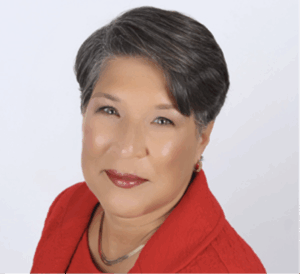
 Leslye Miller Fraser received bachelor’s and master’s degrees from MIT in chemical engineering and a Juris Doctor degree with honors from the UCLA School of Law. She retired in 2016 from her position as an environmental appeals judge and mediator at the U.S. Environmental Protection Agency, the first person of color in this role. Fraser is a life member of the MIT Corporation, where she serves on the Executive Committee and on two Visiting Committees. A former member of the Libraries’ Visiting Committee, she has received numerous awards and honors, including a U.S. patent for an elastomeric material she co-invented for spacecraft hydraulic systems.
What role did the Libraries play in your life as a student? Why have you chosen to give to the Libraries as an alumna?
I lived in East Campus as an undergraduate and spent quite a bit of time in Hayden Library, as it was very close to both my dorm and to my department. It was both a sanctuary of peace, given its beautiful setting overlooking the Charles River, and an opportunity to see a diverse set of students from across all communities on campus. MIT has a wonderful policy of letting students self-select their living situation, which tends to result in us living with people with whom we have common interests and/or backgrounds. The library is a place that brings those communities together through happenstance – a need to study, do a problem set, or just enjoy some peace and quiet. It is for these reasons that I gave to the Libraries in addition to my department, other affinity programs, and alumni groups that also supported my journey at MIT.
You have supported the Women@MIT archival initiative in Distinctive Collections. Why is it important to you to illuminate and elevate the stories of women at the Institute?
As a young Black woman growing up in Long Island in a public high school, there were not very many students like me who enjoyed math and science. I have often told prospective students that when I got to MIT, which at that time had 25% women, including 20 black women in my class, I felt like a fish that had finally been put back in water. I think it is important to tell the stories of the early women who paved the way for those of us who came later to MIT – as many of them also faced barriers and challenges through lack of representation – along with the stories of women who continue to achieve, to help inspire others to pursue their dreams.
What do you wish more people at MIT knew about the Libraries?
I wish more people knew how the Libraries have been transformed to match advances in technology and needs on campus. The Libraries today at MIT are not the Libraries we went to 50 years ago, in terms of how research materials are provided. However, they still provide that same sense of sanctuary and community. Just as we need to keep our departments updated and relevant, we need to ensure the Libraries have the funding to do the same.
The other aspect that I think is important for people to know is that our libraries serve the larger public and other institutions, not just MIT, and so there is a tremendous service that MIT contributes to the community at large.