MIT Libraries

Music at MIT Oral History Project

Lewis Music Library Home


MIT libraries MIT Libraries

Lewis Music Library

Music at MIT Oral History Project

Overview | Criteria | Guidelines

Project Scope and Guidelines

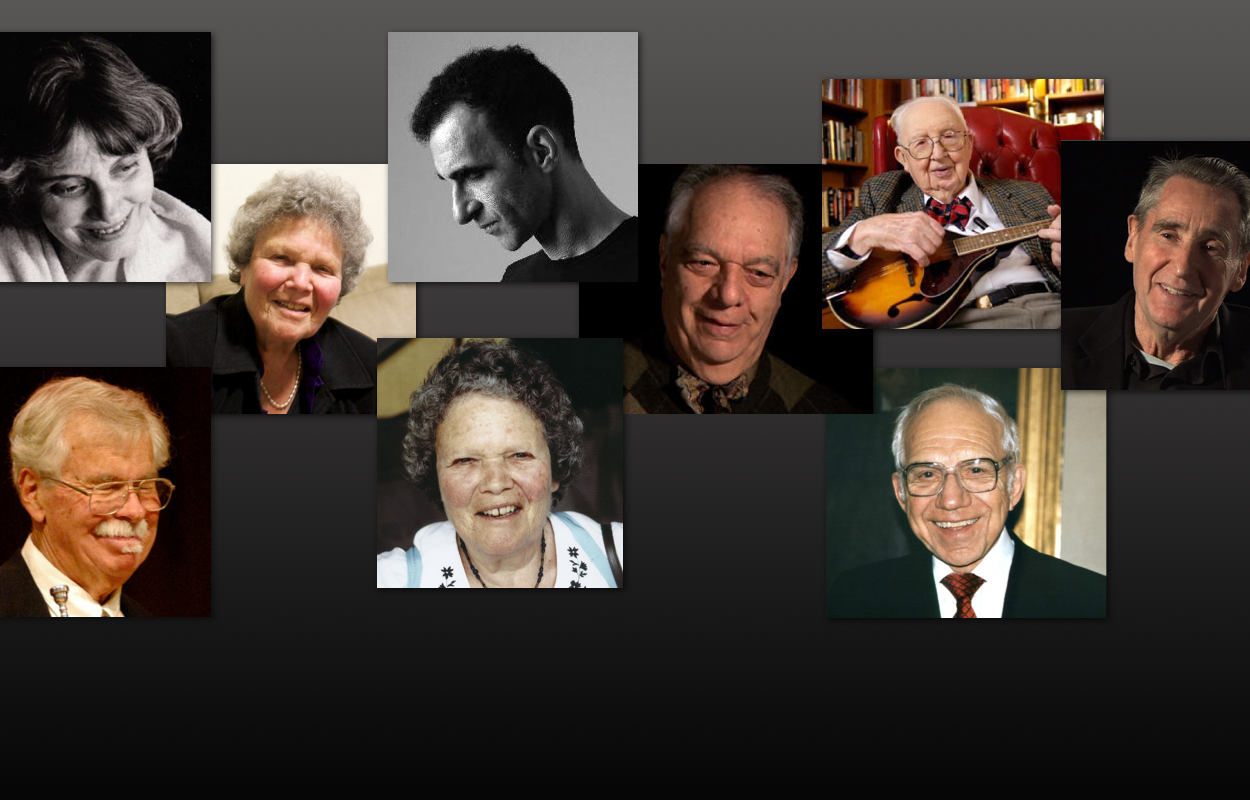
The Lewis Music Library's Music at MIT Oral History Project seeks to document the vibrant history and culture of music at MIT. This history covers a wide variety of genres, including orchestral, chamber, and choral music groups as well as jazz, musical theater, popular music and world music. Individuals may be performers, conductors, composers, theorists, musicologists, historians, or acousticians. The project encompasses both the formal academic music program and ensembles of the MIT Music Section and student-run performing groups. In-depth recorded video or audio interviews are conducted with MIT music faculty, staff, former students, and visiting artists who have substantially contributed to the musical life of the Institute. These individuals provide a wealth of information about MIT. Furthermore, their professional lives and activities are likely to be historically important to the world at large. The video and audio recordings as well as written transcripts of interviews are available in the MIT Lewis Music Library.

The Lewis Music Library's Music at MIT Oral History Project was established in 1999. In 2007 the Library received funding for a dedicated half-time position to conduct and administer this project. This support also includes funds for making transcripts of all interviews.

top of page

Criteria

Interview subjects must be one of the following:

  • Current MIT music faculty, lecturers and staff
  • Retired or former MIT music faculty, lecturers and staff
  • Retired or former MIT Music Librarians
  • MIT faculty and staff not formally associated with the music program but who have contributed significantly to the musical life of MIT
  • Visiting professors or guest artists who have worked with MIT music students
  • Distinguished former MIT student musicians
  • Former MIT students who have had distinguished musical careers

Factors to consider in setting interview priorities:

  • Top priority are retired MIT music faculty and staff
  • Subjects who have distinguished musical careers, but are not well documented in the traditional historical record
  • Age and health of the subject
  • Availability of the subject to be interviewed
  • Subjects who are sources of information on topics not well covered by other interviews

top of page

Guidelines

  • Interviews follow the intellectual and ethical guidelines of Oral History practice.
  • Interviewees must be treated as guests. There are no specific questions they are required to answer. Comments made "off the record" must be kept strictly confidential. This is discussed with the interviewee before the interview session.
  • Interviews are in-depth, allowing for thorough discussion of topics, which may include very specialized subjects.
  • Significant background research is necessary in order for a meaningful in-depth interview and not merely a duplication of what may already be known or published.
  • Interviewees should be allowed to tell their "life story" as it pertains to them as a musician. This is important as it helps to give a historical and personal context. While stories are told in the course of the interviews, the essential purpose of these interviews is in-depth discussion of the person’s musical expertise, insights and experiences.
  • For interview subjects who have professional careers outside music, time must be allowed for meaningful discussion of their work. The interviewer therefore will need to do appropriate research to this important part of their life.
  • At least 4-6 interviews per year will be conducted. There may be more than one session with each interviewee.
  • Interviews are not edited for content. Only material not relevant to the interview is deleted. This is discussed with the interviewee before the interview session.
  • There is a lot of work involved that may not be readily apparent. As noted above, there is significant background research required. Other work includes transcript copy editing/formatting, working with catalogers.
  • Initial transcription of the interviews is done by outside vendors (presently 3Play Media or Media Scribe). There are two transcript editors hired for this project who have both musical backgrounds and have substantial knowledge of the MIT music program. F. Larson is responsible for the final copy editing.
  • Transcripts attempt to faithfully reflect the unedited recorded interview. The printed transcript may have editorial insertions to help indentify persons (dates, MIT class year, MIT department, etc.). Other insertions clarify strictly factual information when it is not clear.
  • Audio recording of interviews done through spring 2010 were recorded by F. Larson.
  • Interviews conducted beginning September 2010 will be video recorded by MIT Academic Media Production Services (AMPS).
  • An advisory committee consisting of MIT Music and Theater Arts faculty members was established in fall 2010.
  • More information about professional oral history practice and standards of the Oral History Association can be found on their Principles and Best Practices web page.

top of page

This page was last updated on 11/10/10

MIT Libraries MIT MIT LibrariesQuestions for Lewis Music Library? MIT MITQuestions for Lewis Music Library?